


A plain jack-o-lantern face gets the job done, but it’s not the only way in. The best pumpkins skip the same triangle eyes everyone else is cutting and commit to one full idea instead, whether that’s paint, fabric, texture, or a carve with real detail behind it. These 11 pumpkin decorating ideas show what that actually looks like.
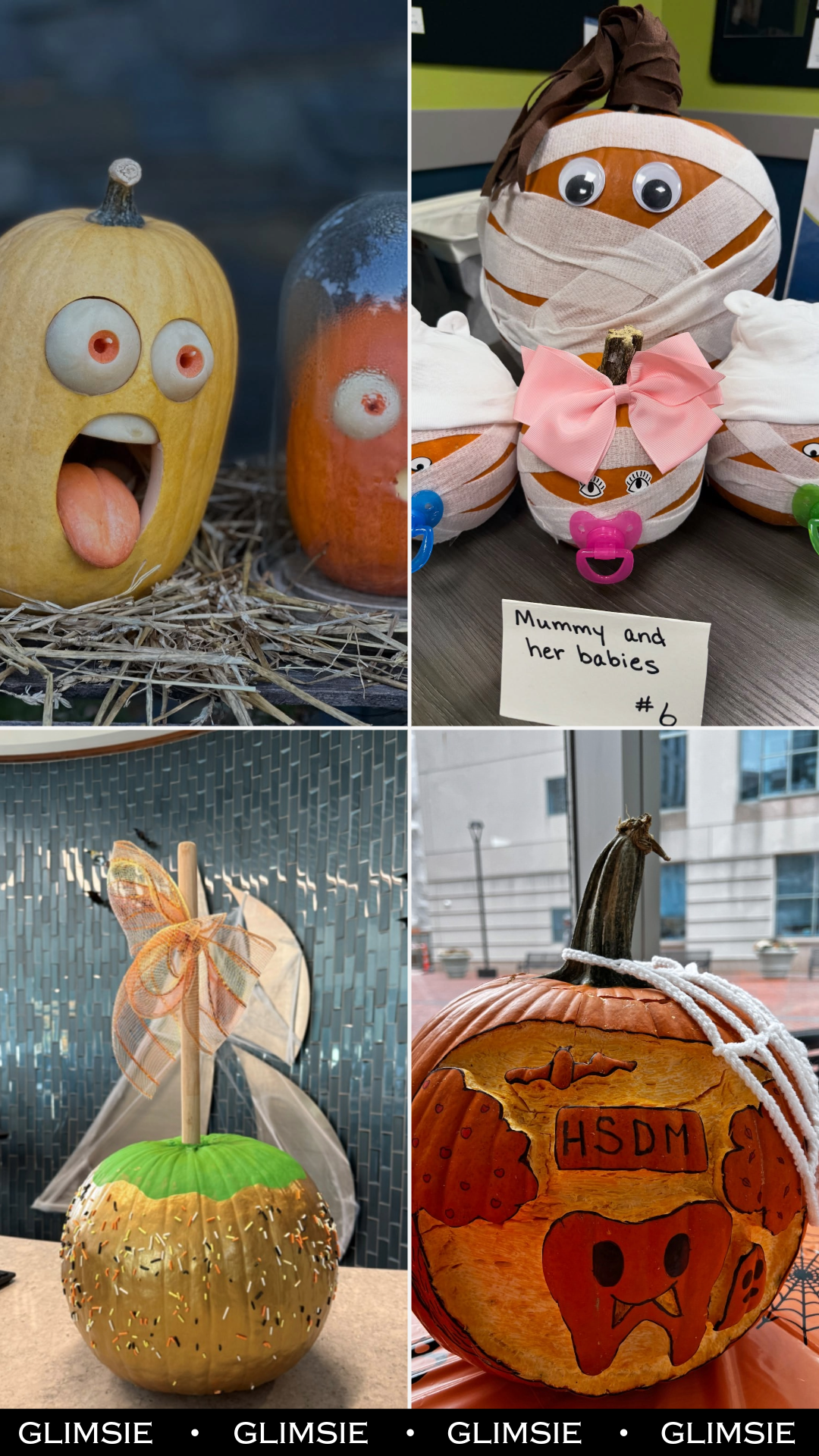
11 Pumpkin Decorating Ideas That Go Past the Basic Carve
A pumpkin doesn’t have to mean a knife and three triangle cuts. Paint turns one into a candy apple. Fabric wrap turns one into a mummy. Even carving looks different when the design has real linework behind it instead of a quick face. What ties this list together is commitment: every pumpkin here picked one technique and followed through on it.
That’s the part worth copying. You don’t need every tool at once, you need to pick one move (paint, wrap, glue-on texture, or a detailed carve) and actually finish it. If you’re looking to build out the rest of your porch once the pumpkins are done, these October home decor ideas cover the pieces that pull a whole entryway together. Here’s what that looks like across 11 different pumpkins.
The Trick Is Store-Bought Parts, Not Skill
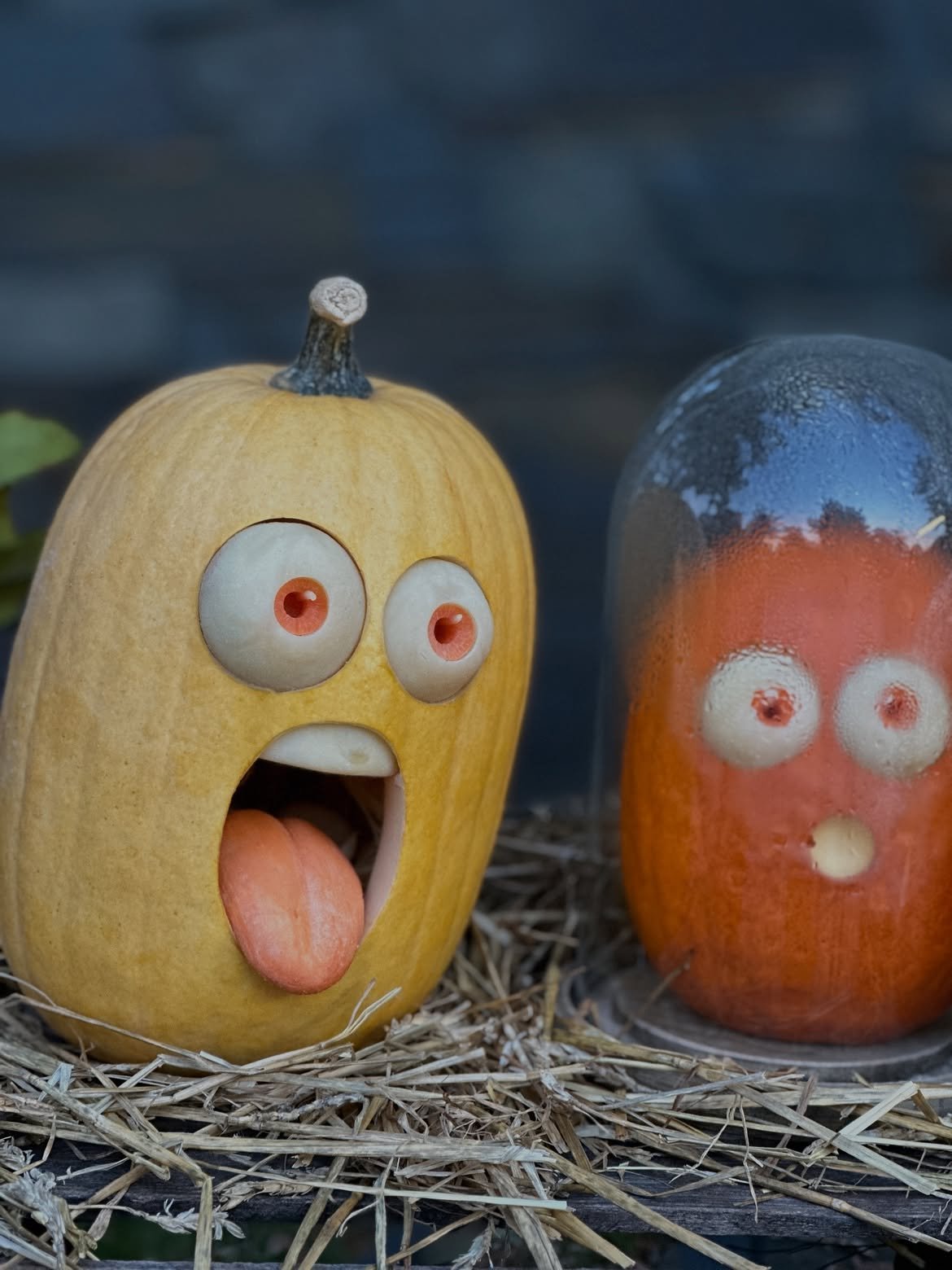
Round eyes and a mouth cut into the pumpkin hold pre-made plastic pieces (eyeballs, a tongue) that snap right into place, and that’s the whole build. It works because the cuts stay simple, just big round holes, while the plastic pieces do the work of looking realistic and a little unsettling. If your carving skills stop at a triangle, this is the move: buy the face pieces, cut holes big enough to hold them, and let the pieces do the detail work for you.
No Knife Required for This One
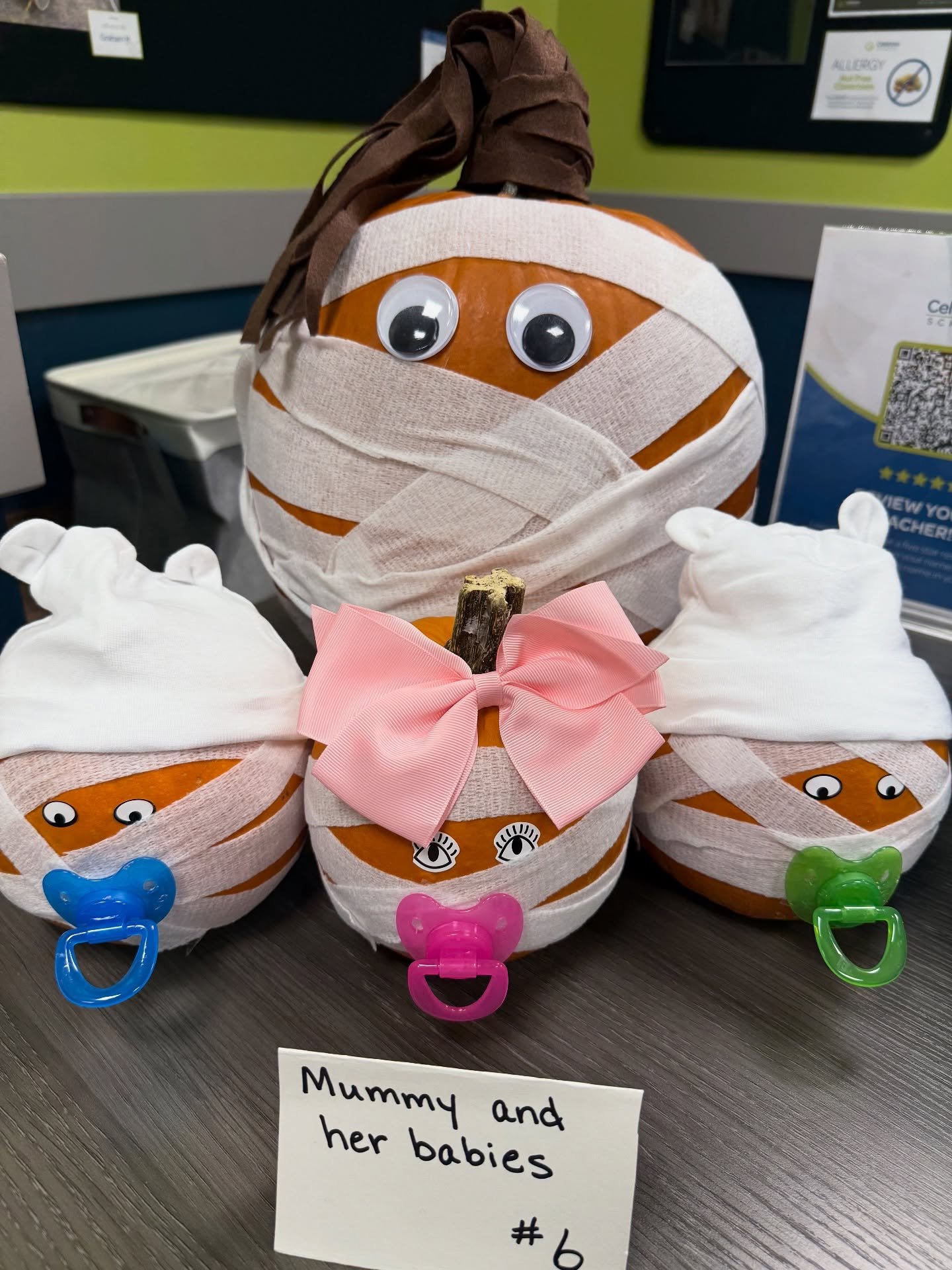
Strips of gauze wrapped around a pumpkin, plus a pair of googly eyes, turns a plain pumpkin into a mummy in about ten minutes flat. The smaller pumpkins get baby versions with knit caps and pacifiers, and that’s what makes the whole thing read as a family instead of just one mummy. Wrap loosely and leave gaps so some orange still peeks through, since a fully covered pumpkin just looks like a ball of gauze instead of a mummy underneath it.
Paint It Like Dessert Instead of a Face
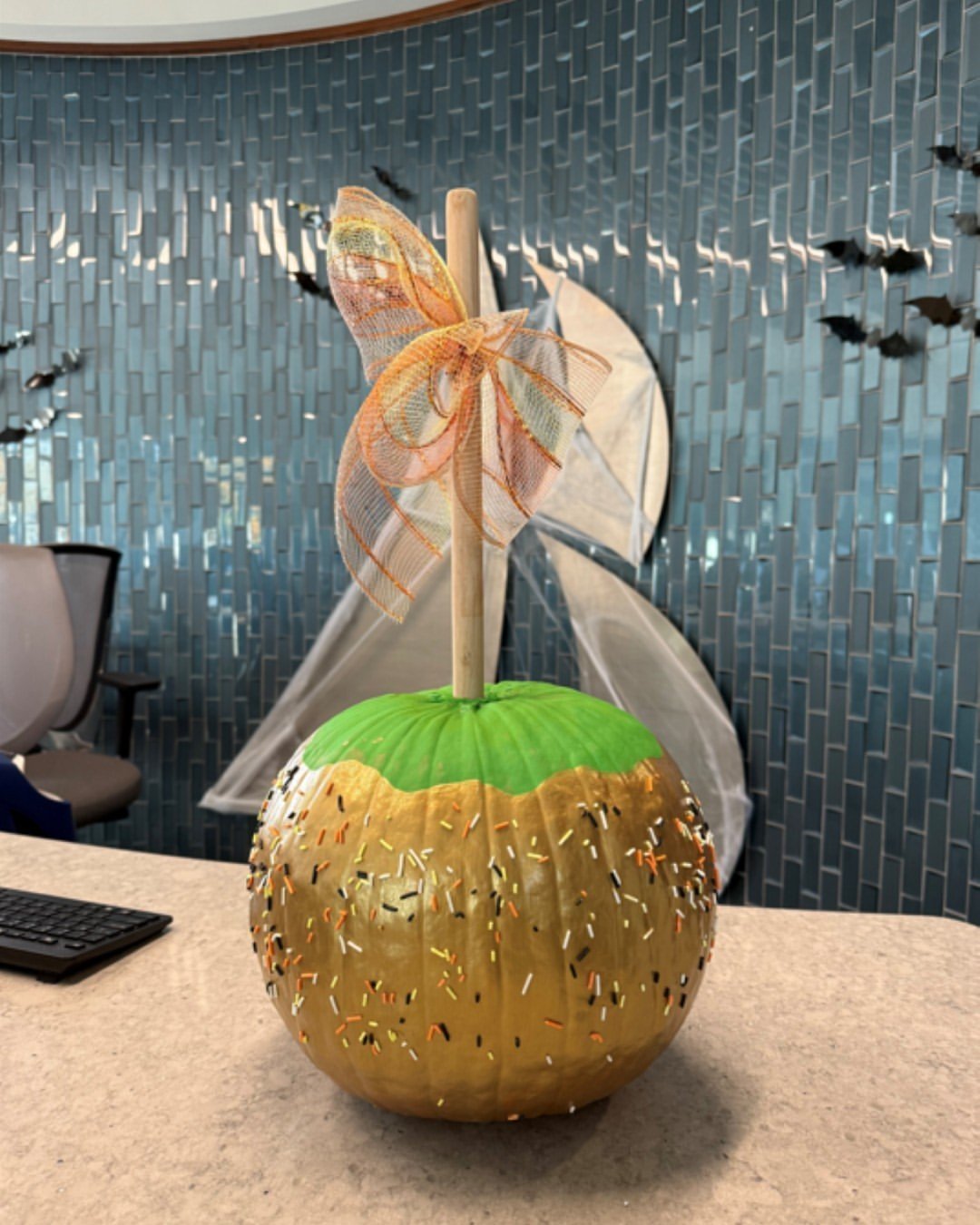
Green paint at the stem, gold everywhere else, and a scatter of orange and black sprinkles pressed in while the paint’s still wet turns a regular pumpkin into a candy apple on a stick. The wooden dowel through the top sells the illusion before you even notice the sprinkles. This one skips carving completely: it’s paint plus one craft-store stick, no blade involved anywhere.
Carving With an Actual Story Behind It
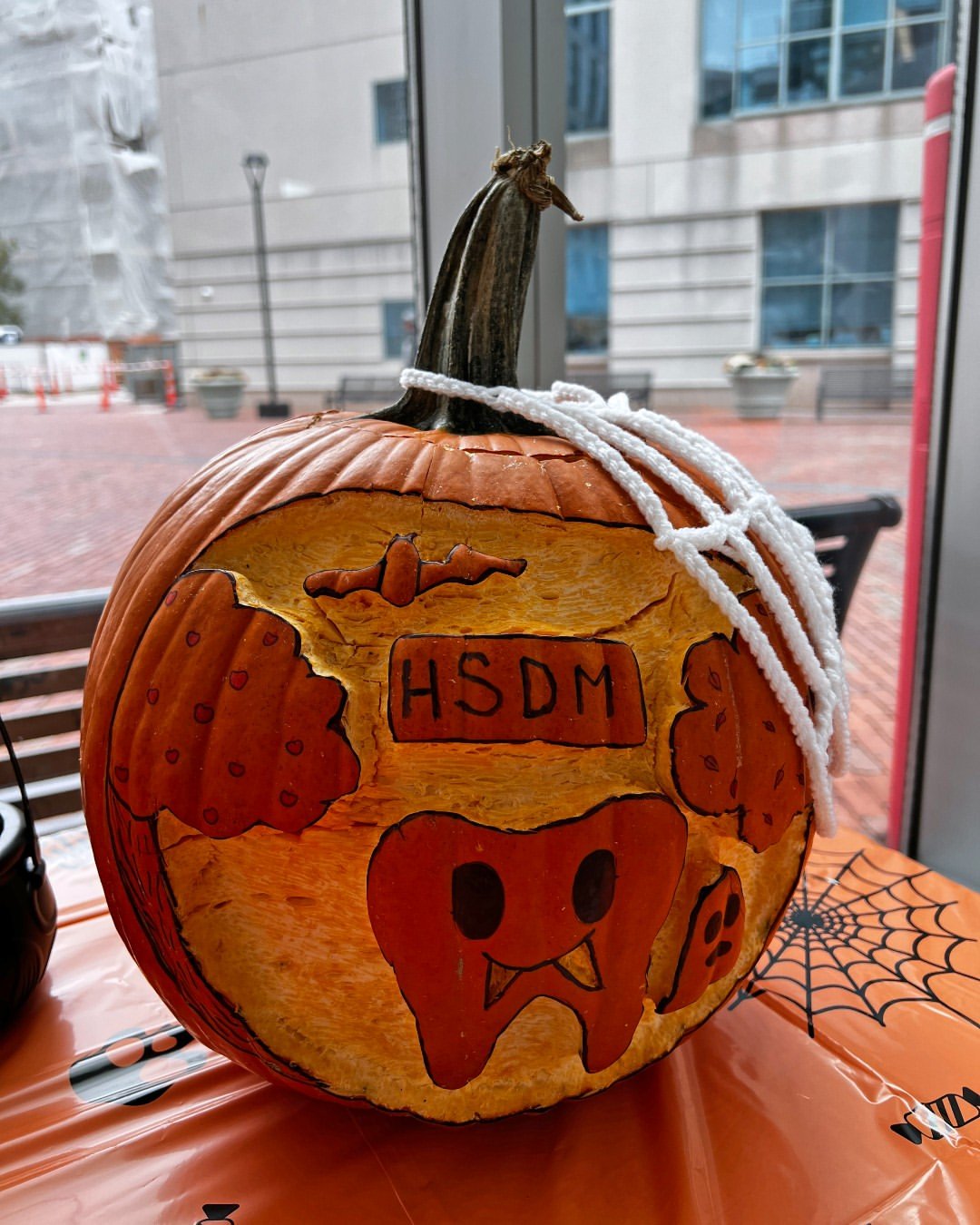
This one goes past a face: a smiling tooth, a bat, and tree branches are all carved into the surface with real linework, not just simple cutouts. What makes it work is the outline staying dark and crisp against the lighter carved-away flesh, so the design reads clearly even without a candle inside. If you’re carving something with actual detail, sketch it in marker first and go slow on the thin lines, since those are the parts most likely to break through.
Lighting Changes Everything About a Carve
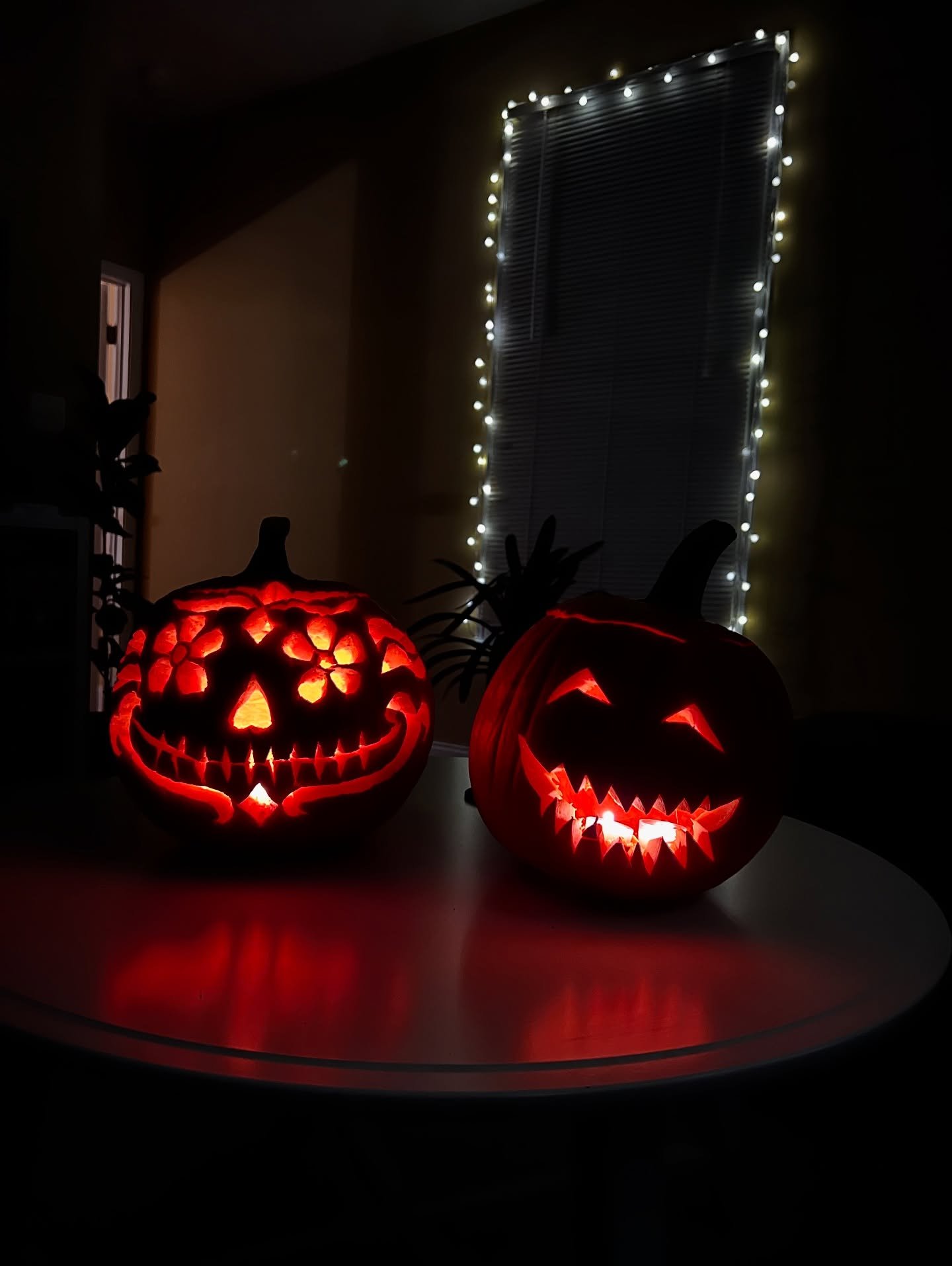
Two carved pumpkins glow deep red instead of the usual orange candle flicker, and the color alone makes them look sharper and more dramatic than a typical jack-o-lantern. One has an intricate flower lattice pattern across the whole face, the other keeps a classic diamond-eyed grin. Swap a plain white candle for a colored LED tea light and the same carve reads completely differently once the sun goes down.
The Move That Makes a Table Centerpiece
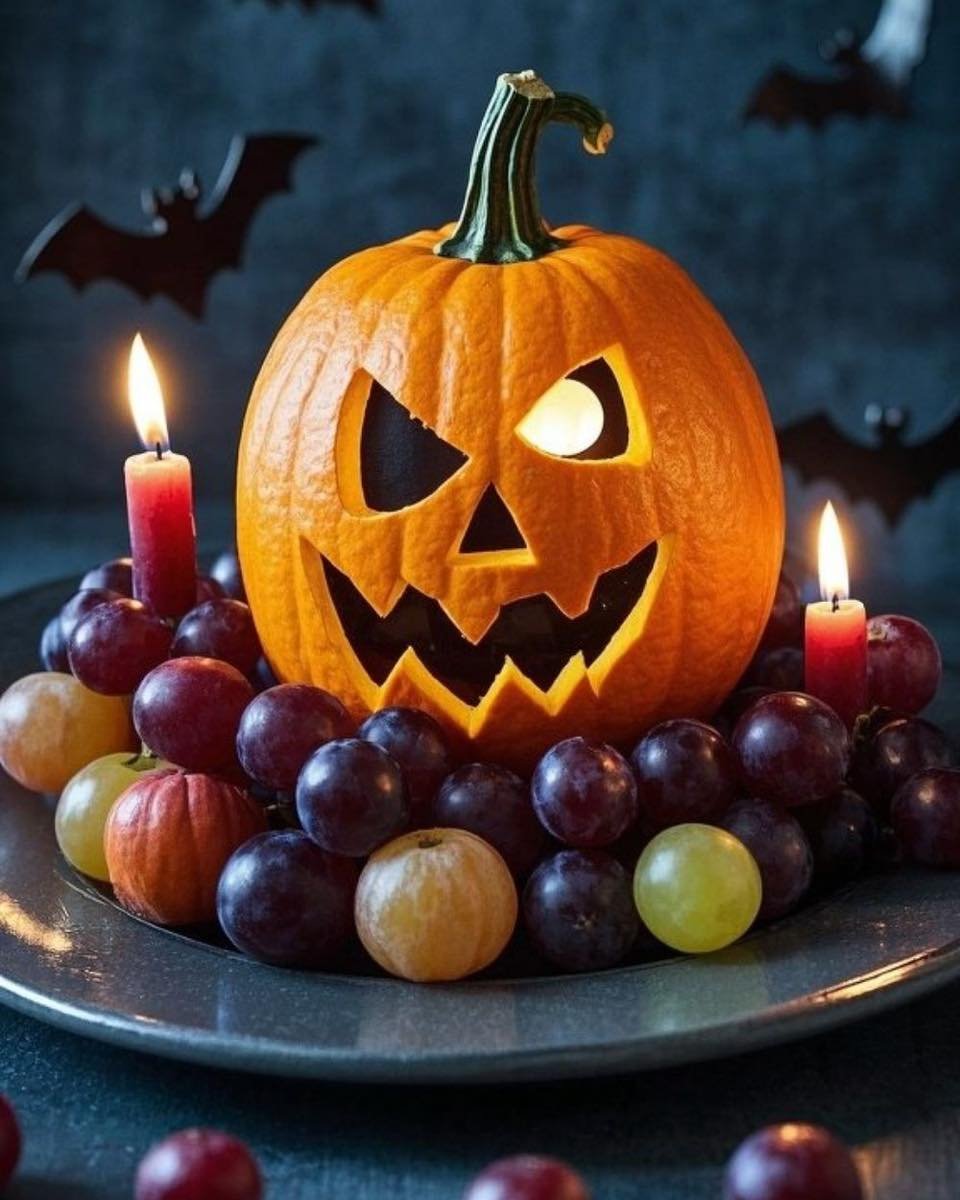
A classic carved jack-o-lantern sits in the middle of a plate ringed with red and green grapes, with two tall candles standing on either side. The grapes do more work than you’d think: they hide the plate entirely and turn a single pumpkin into a full tablescape without needing anything else. This is the easiest way to make one carved pumpkin look like an actual centerpiece instead of something sitting alone on a counter.
Delicate Detail Beats a Bold Statement
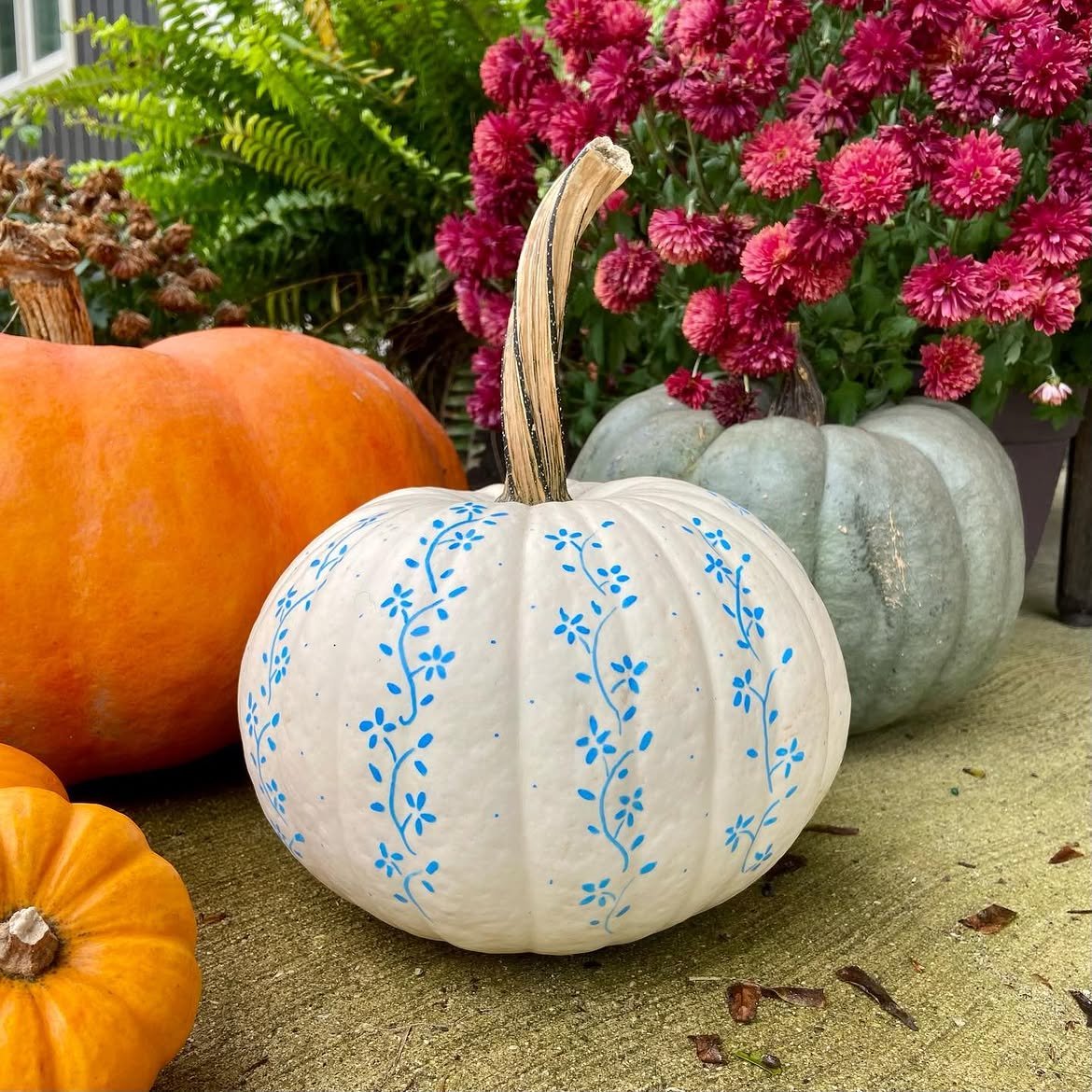
Thin blue vines and tiny flowers are hand-painted across a white pumpkin, climbing the ridges instead of following a straight line. It works because the pattern stays small and repetitive instead of one big graphic, so it reads as intentional rather than like a kid’s craft project. A thin paint pen is the tool that makes this possible: a regular brush is too wide to keep the lines this fine. If plain white pumpkins are already your thing, these white pumpkin decor ideas go further into styling them without ever reaching for orange paint.
Texture Alone Can Carry the Whole Look
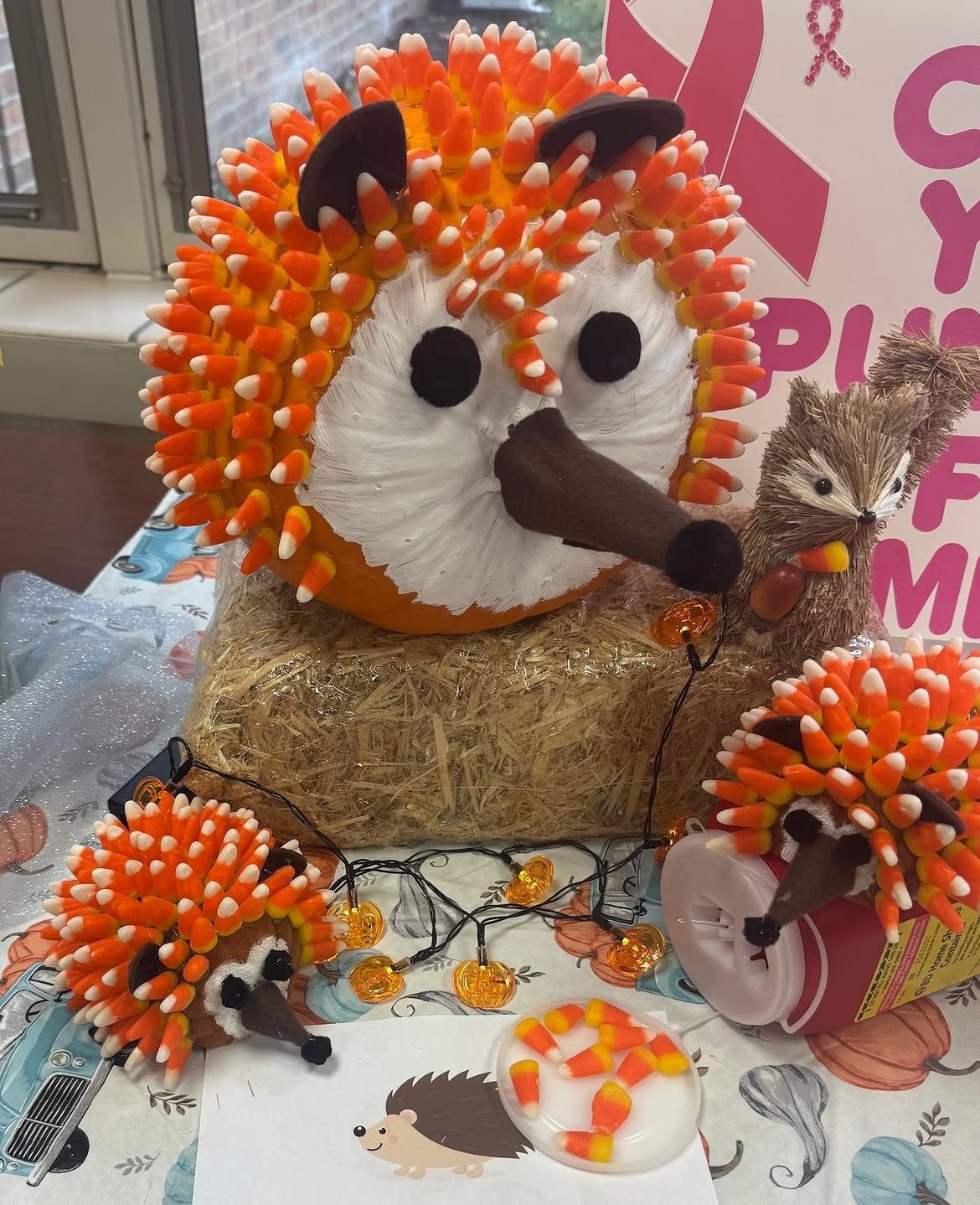
Rows of real candy corn are glued directly onto a pumpkin to build out spiky “fur,” with white felt for the face and two dark pom-poms for eyes. There’s no paint and no carving here: the entire look comes from texture and layering one candy piece at a time. Start at the base and work in rings so each row overlaps the one below it, which is what keeps the candy corn looking like fur instead of random scattered pieces.
Painted Faces Read Better With Add-Ons
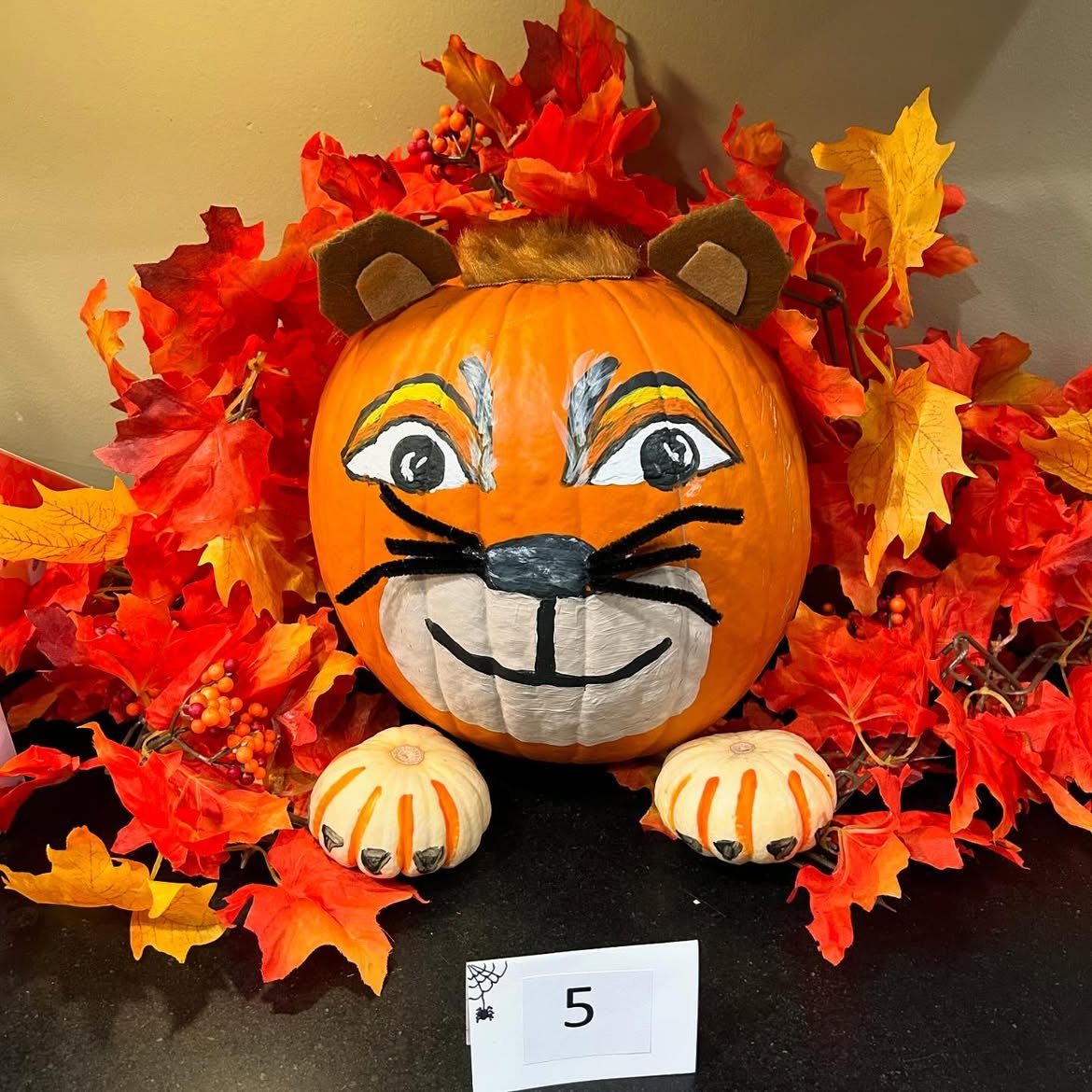
A full tiger face is painted on in yellow, orange, and black stripes, but what sells it are the felt ears and pipe-cleaner whiskers added on top of the paint. Two small pumpkins tucked underneath work as paws, so the whole thing reads as one animal instead of just a painted pumpkin sitting on a table. Paint gets you most of the way there, but a couple of cheap craft-store add-ons (felt, pipe cleaners) are what push a flat face into looking three-dimensional.
Small Cutouts Do More Than One Big Face
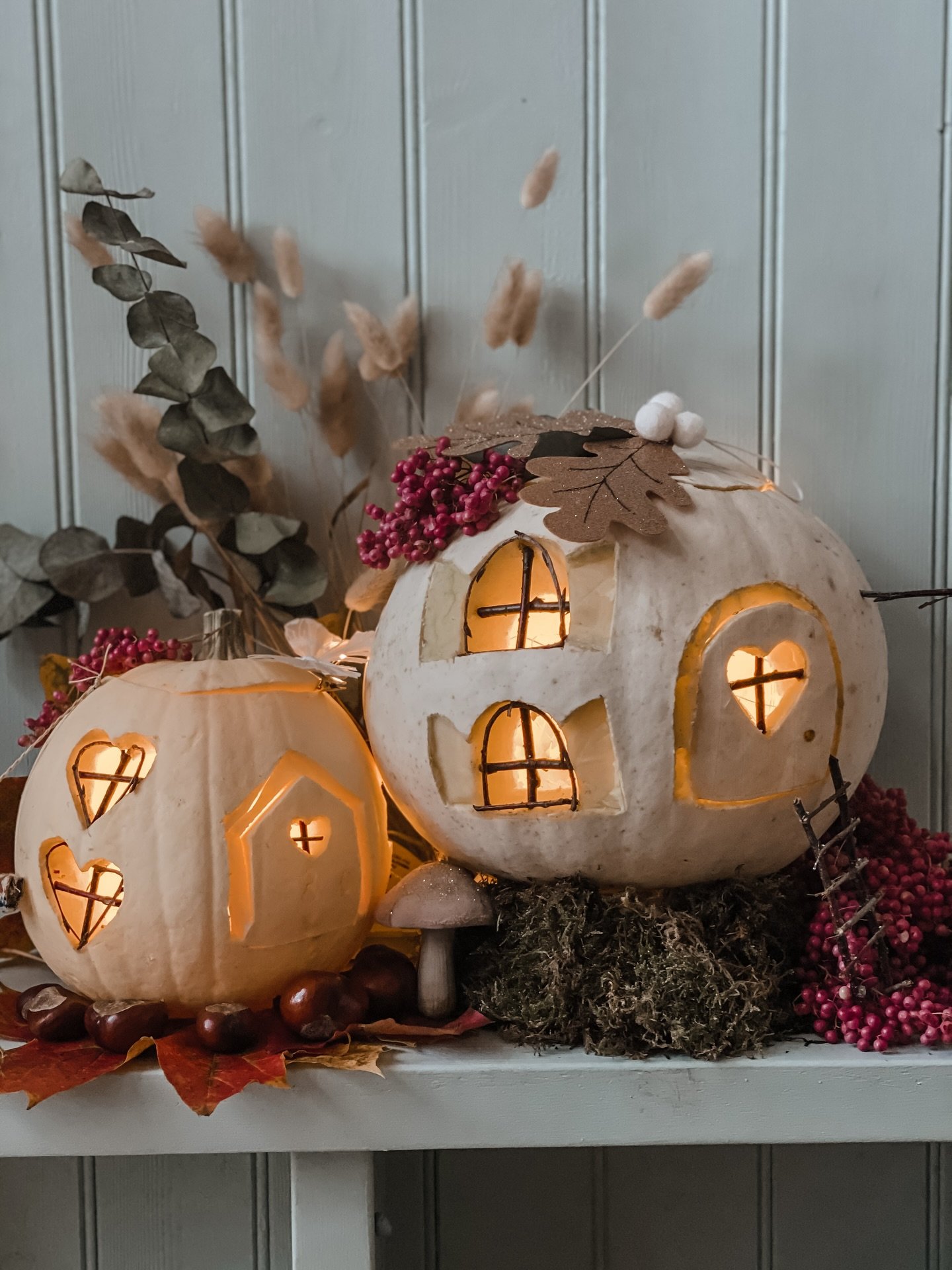
Instead of a single face, these carved pumpkins get several small shapes cut into them: arched windows, a heart-shaped window, a tiny front door, all lit from inside. Twigs pressed into the wet pumpkin flesh form the window panes, and that’s the detail that makes them read as tiny houses instead of just pumpkins with holes in them. If you want this look, cut your shapes small and shallow so the twigs have something to grip, then let the light inside do the rest of the work.
One Character, Repeated in Six Colors
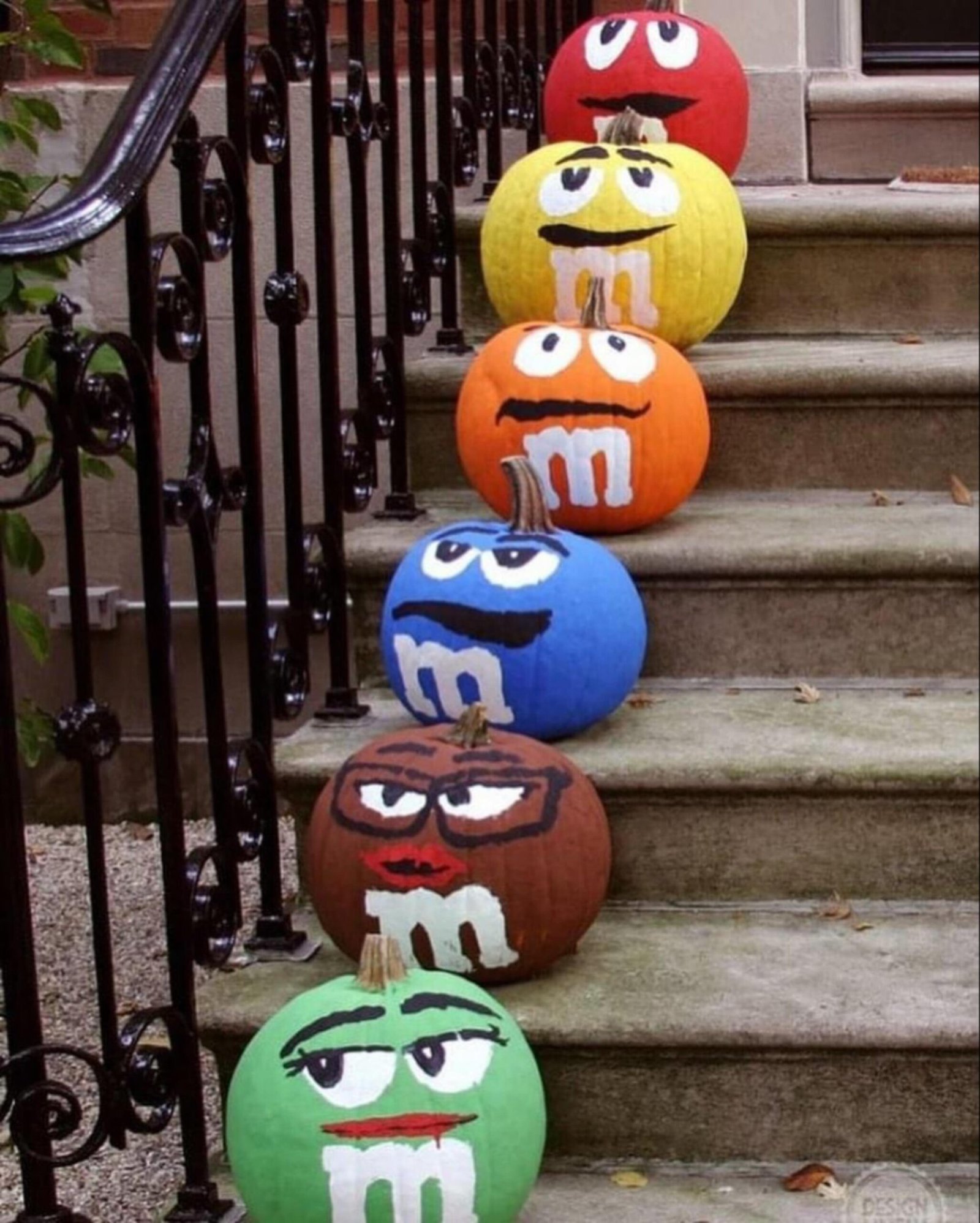
Six pumpkins are painted in the six classic M&M colors, each with the same cartoon eyes, mouth, and lowercase “m” logo, just recolored. Lining them up on the steps in a row is what makes the whole set work: one on its own reads as a painted pumpkin, six in a row reads as a candy-themed display. Pick a character with a simple, repeatable face like this one and you can knock out a whole set in an afternoon since you’re only painting the same three shapes six times.
